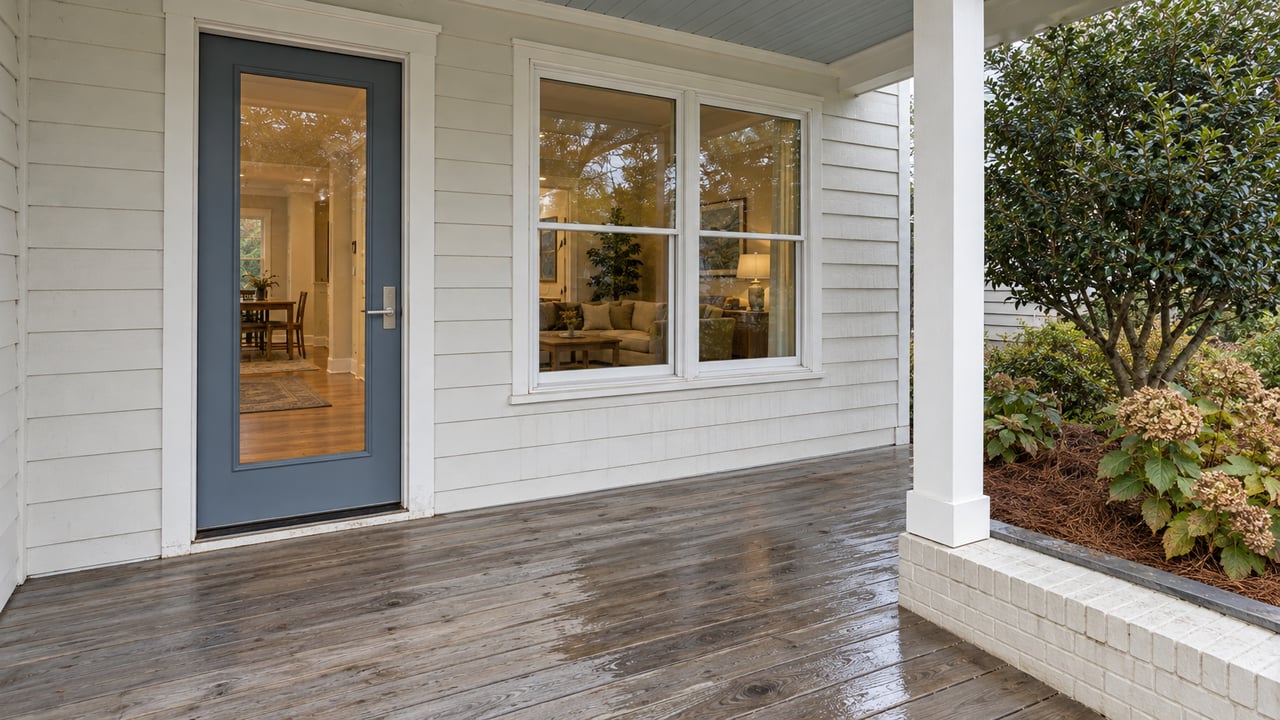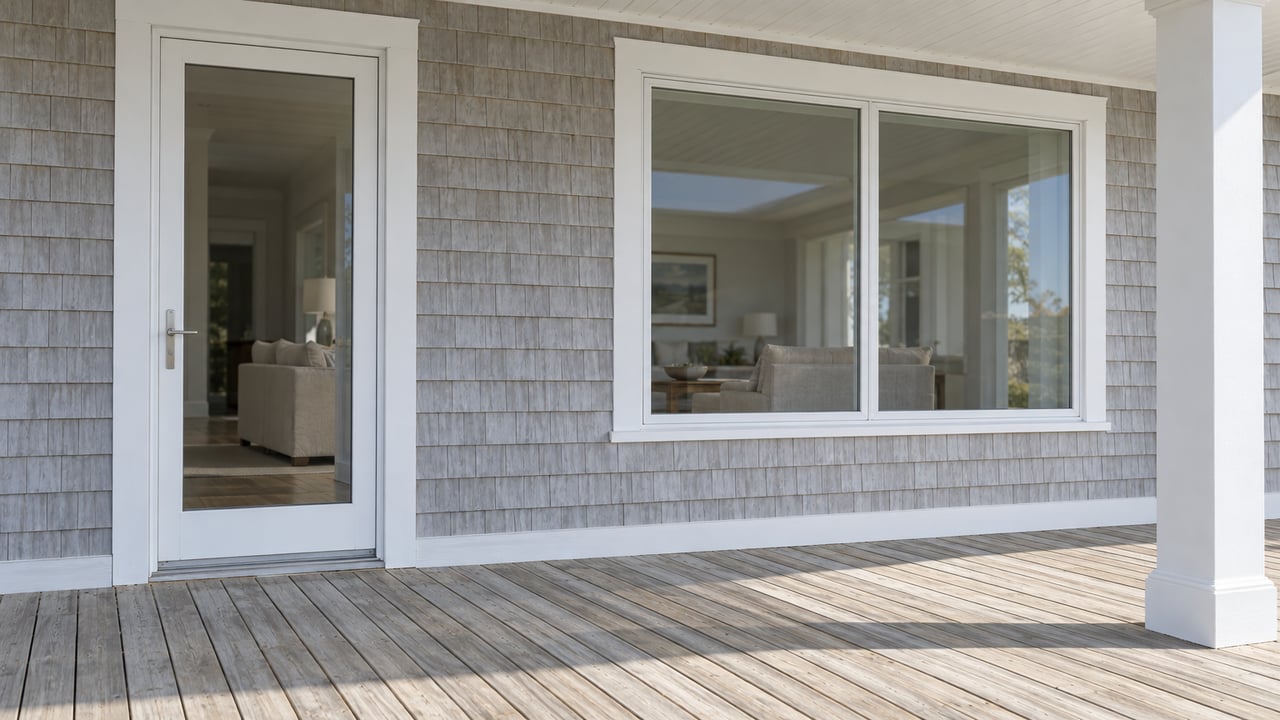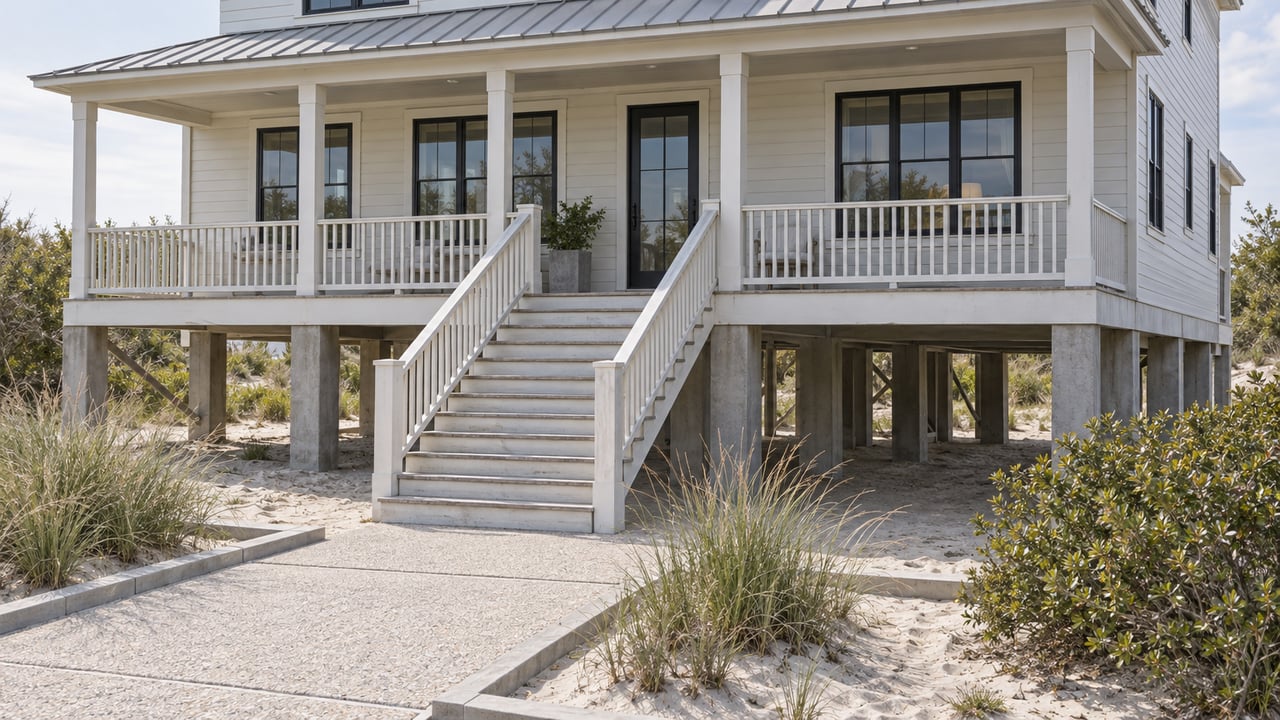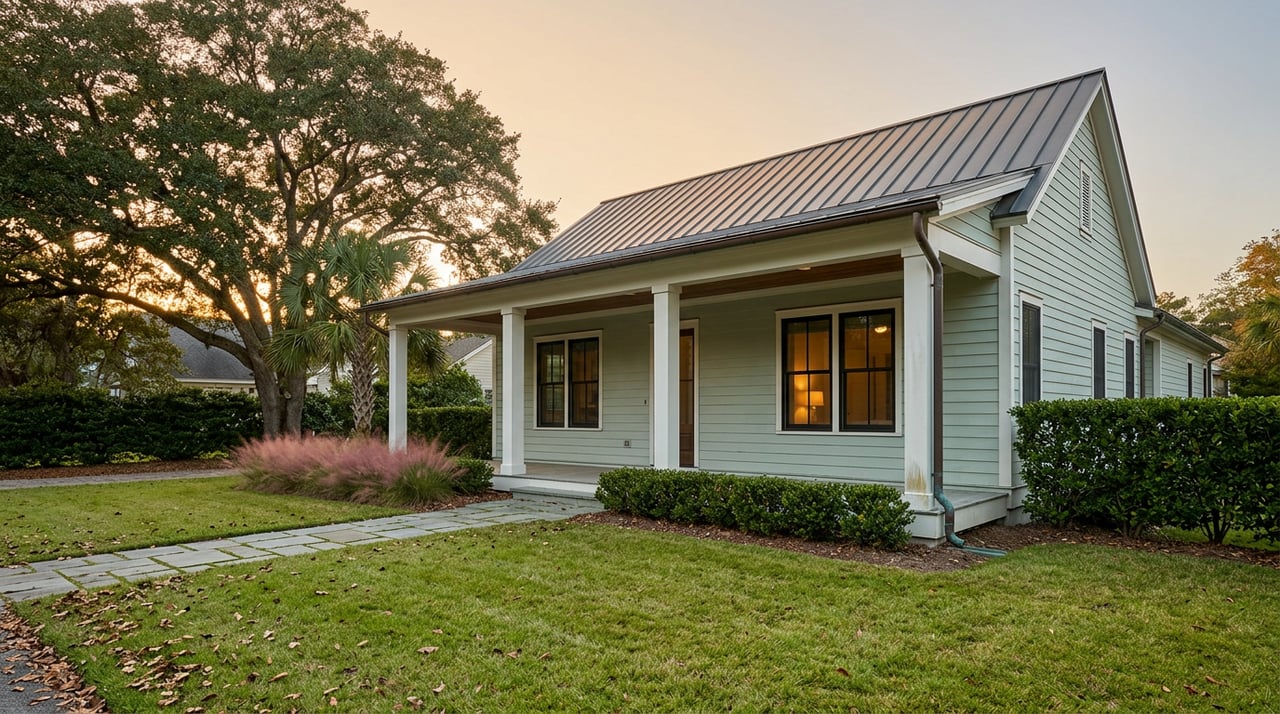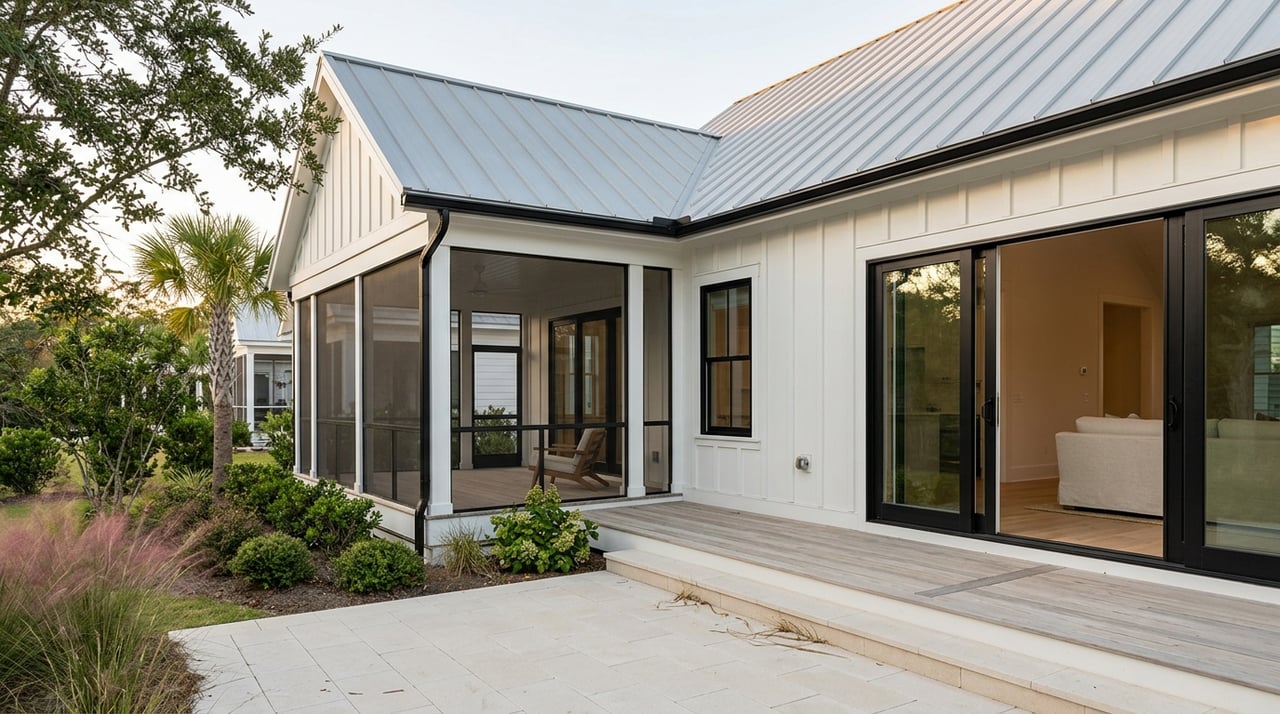
Thinking about new construction in Scotts Hill? It can be an exciting way to get the layout, finishes, and location you want, but in this part of coastal North Carolina, the process also comes with extra layers that buyers need to understand early. If you know what to verify before you sign, you can make smarter decisions, avoid delays, and move forward with more confidence. Let’s dive in.
Why Scotts Hill Needs Extra Homework
Scotts Hill is a Pender County community that sits near the Pender and New Hanover county line, which means you should confirm the exact parcel before assuming which county rules, utilities, or services apply. That one detail can affect permitting, zoning, and the overall path to closing.
This area also has a long local connection to flooding, so floodplain review is a major part of the new-construction conversation. That does not mean you should avoid the area. It means you need to understand the lot, the elevation, and the permit requirements before you commit.
Scotts Hill continues to grow, and county planning records show active development in the area. Pender County housing units increased from 33,832 in July 2024 to 34,743 in July 2025, and planning activity includes projects like Blake Farm Parcel I west of US-17 along with other Scotts Hill subdivision and site-plan cases.
Two Ways to Buy New Construction
Builder Neighborhoods
One common path is buying in a builder-planned community or on a builder-controlled lot. In that setup, you usually choose from available floor plans and then select finishes and upgrades from a menu.
This route can feel more streamlined because much of the planning work is already underway. County records show neighborhood-scale activity in the Scotts Hill area, and nearby commercial approvals like the Scotts Hill Publix and a pending Scotts Hill Grocery Store point to continued growth in services around residential development.
Even in a planned neighborhood, you still need to read the details carefully. Base price, upgrade costs, lot premiums, drainage plans, grading, and any HOA-related rules can change the total cost and your long-term use of the property.
Buy a Lot and Build Custom
The second path is buying a lot and building a custom home. This gives you more control over the home’s design, layout, elevation, and site plan, which can be especially appealing if you want a more tailored fit for your lifestyle.
The tradeoff is that you take on more parcel-level due diligence. You need to confirm zoning, setbacks, floodplain status, utility access, and whether the site will require a septic system and well.
Pender County Utilities says the Scotts Hill water and sewer district is one of the districts it serves, and the county reported three operational wells plus a 500,000-gallon elevated tank added in the Scotts Hill and Hampstead area in April 2024. Still, service is not something to assume lot by lot. You should verify whether public water and sewer are actually available to the specific property you want.
Permits and Reviews to Check First
Zoning and Setbacks
Pender County Planning and Community Development oversees planning, zoning, code enforcement, flood preparedness, and residential subdivision review in unincorporated county areas. County staff state that a zoning permit is always required, and setback rules depend on the zoning district.
That means one of the first questions to answer is simple: what can actually be built on this parcel, and where can it sit on the lot? If you skip that step, you risk designing a home that does not fit county requirements.
Floodplain Review
Floodplain review is especially important in Scotts Hill. Pender County says its new flood maps were adopted in January 2025, and all building in the floodplain requires a Flood Development Permit.
This is one of the biggest reasons new construction here demands careful planning. You should confirm early whether the lot is in a flood zone, whether the proposed site plan meets setbacks, and how flood-elevation requirements may affect design and cost.
CAMA Areas
Some parcels may also fall within a CAMA area. Pender County notes that if a property is in a CAMA area, buyers should review the CAMA handbook and schedule a permit review.
Under North Carolina DEQ rules, single-family homes require CAMA minor permits, which are generally issued by local governments under contract with the state once a complete application is submitted. If this applies to your lot, it can shape your timeline and your build plan.
Septic, Well, and Environmental Health
If a lot does not have public water and sewer access, the next question is whether it can support septic and a well. In Pender County, environmental-health water and sewer intention documentation must be submitted before the permitting department processes a construction application.
Environmental Health staff test soils and advise on septic and well suitability. This makes soil and utility due diligence a critical step, not a box to check later.
What to Ask Before You Sign
Whether you are buying from a production builder or planning a custom build, clear questions can protect your budget and timeline. In Scotts Hill, the details matter.
Here are some of the most important items to confirm:
- What is included in the base price?
- Which features count as upgrades, and how are those priced?
- Is there a lot premium?
- What is the builder’s policy on change orders?
- How are completion dates handled if delays happen?
- Is an independent home inspector allowed?
- At what stages can inspections take place?
- What drainage, grading, flood-elevation, or HOA rules apply to the lot?
- What written warranty comes with the home?
- How do you report defects after closing?
These questions help you compare builders more clearly and reduce surprises after you are already under contract.
Inspections Still Matter on New Homes
A lot of buyers assume a new home does not need an independent inspection. That is a mistake.
HUD advises buyers to get a home inspection and notes that an appraisal does not replace one. HUD also says an early inspection request can help make the purchase contract contingent on inspection results.
That matters in new construction because a home can be brand new and still have issues with workmanship, installation, drainage, or incomplete items. An independent inspection gives you another layer of protection before closing.
Understand the Builder Warranty
New homes often include a builder warranty, but the coverage can vary. The FTC notes that workmanship and materials coverage often lasts one year, HVAC, plumbing, and electrical coverage often lasts two years, and some builders offer up to 10 years for major structural defects.
The FTC also notes that warranty claims should be made in writing because many warranties rely on mediation or arbitration. Before closing, ask for the full written warranty and review how claims are submitted, what deadlines apply, and what is excluded.
If you are financing the purchase, warranty structure may also matter. The FTC says FHA and VA loans require builders to buy third-party warranties for newly built homes.
Why Timing and Process Matter in Pender County
Not every application runs through the same system in Pender County. The county says zoning and subdivision applications are not submitted through the PORT portal and instead must be emailed or delivered in hard copy, while many other permit types can be handled online.
That may sound like a small administrative detail, but it can affect how quickly your project moves and what needs to be coordinated first. In a coastal build, process mistakes can create delays that ripple into your financing, moving timeline, and construction schedule.
How to Protect Yourself in Scotts Hill
The safest approach is to verify the parcel, the builder’s promises, and the permit path before the contract is final. In Scotts Hill, that means looking closely at county lines, zoning, floodplain status, CAMA review, utility access, septic and well suitability, inspections, and warranty terms.
This is where strong representation matters. New construction can look straightforward on the surface, but in a coastal market like Scotts Hill, the details behind the lot are just as important as the home itself.
If you are building or buying new construction in Scotts Hill, working with an agent who understands coastal property, local process, and the moving parts behind the contract can help you ask better questions and make more confident decisions. When you are ready for strategic guidance and assertive representation, connect with Ronel Austin.
FAQs
What should you verify before buying a lot in Scotts Hill?
- You should confirm the exact parcel location, county jurisdiction, zoning, setbacks, floodplain status, CAMA considerations, and whether the lot has access to public water and sewer or will need septic and a well.
Do you need a flood review for new construction in Scotts Hill?
- Yes, if the property is in the floodplain, Pender County says all building requires a Flood Development Permit, and buyers should review flood maps and lot compliance early.
Can you skip a home inspection on a new construction home in Scotts Hill?
- No. HUD advises buyers to get a home inspection and notes that an appraisal does not replace an independent inspection.
What utilities should you confirm for a custom build in Scotts Hill?
- You should verify whether the specific lot has public water and sewer access through the Scotts Hill district or whether the property will require septic and a well.
What should you ask a builder before signing a new construction contract in Scotts Hill?
- Ask what is included in the base price, what costs extra, how change orders work, whether independent inspections are allowed, what lot rules apply, and what written warranty covers after closing.