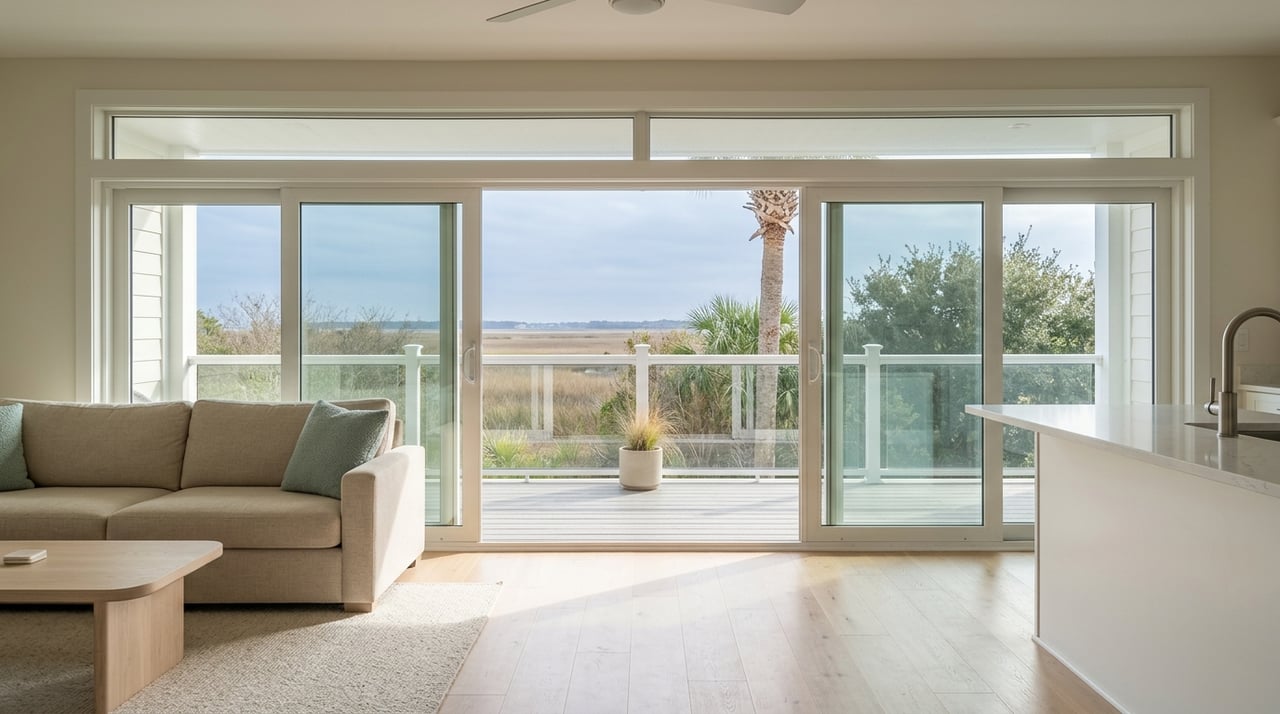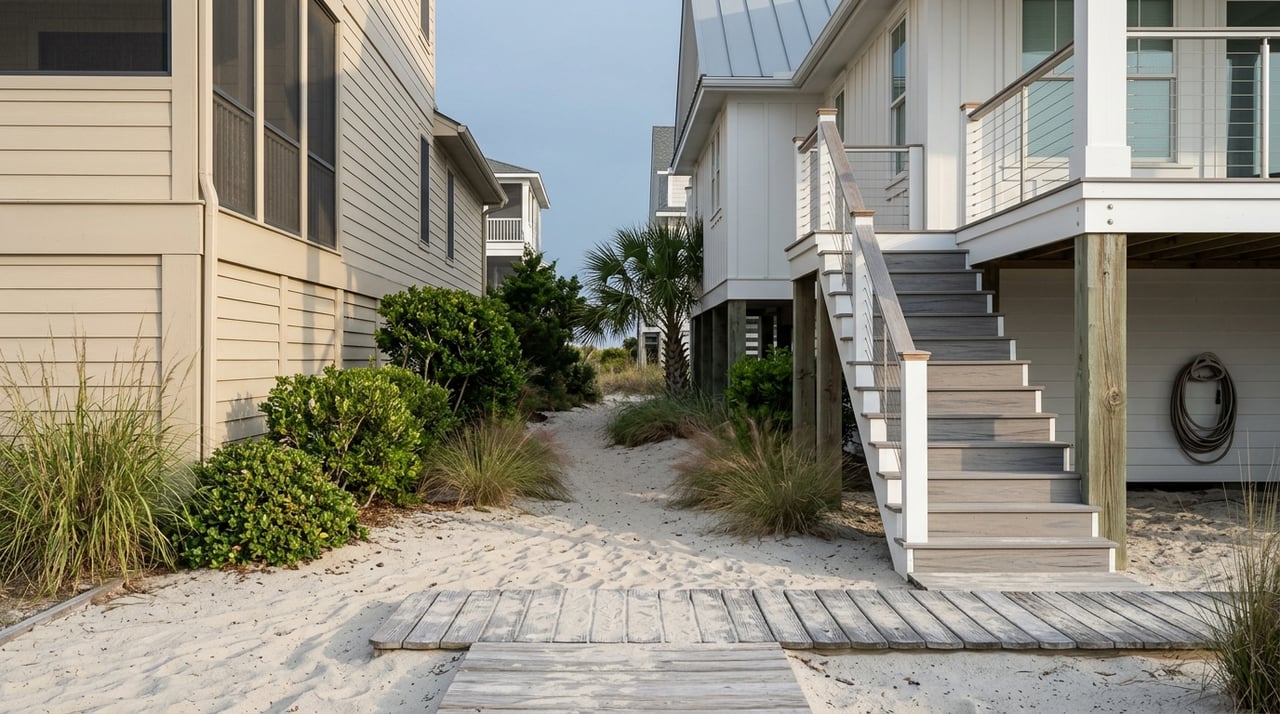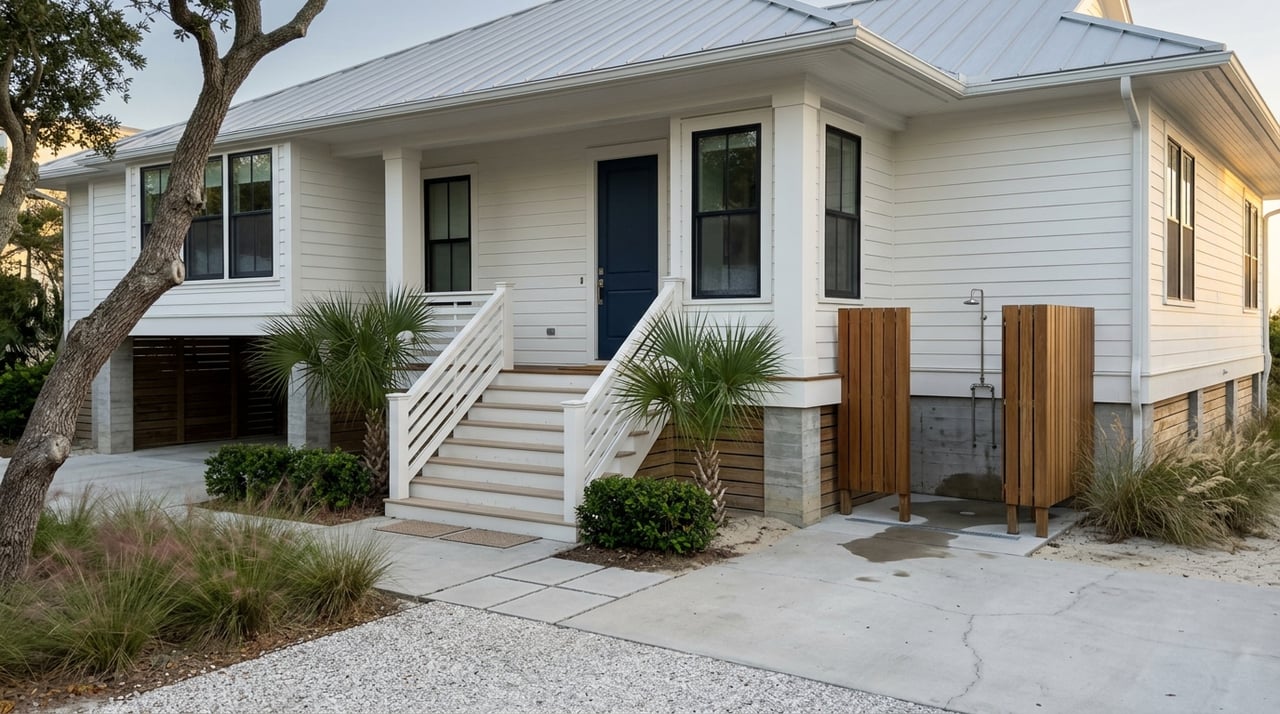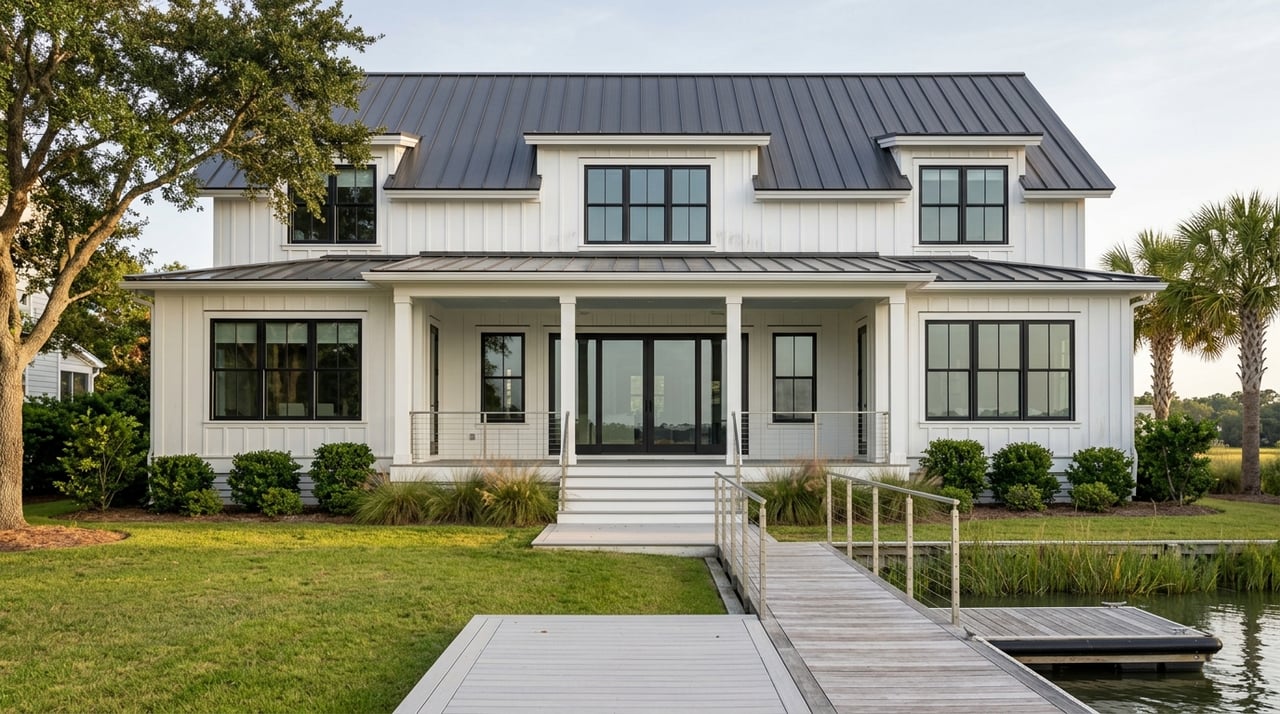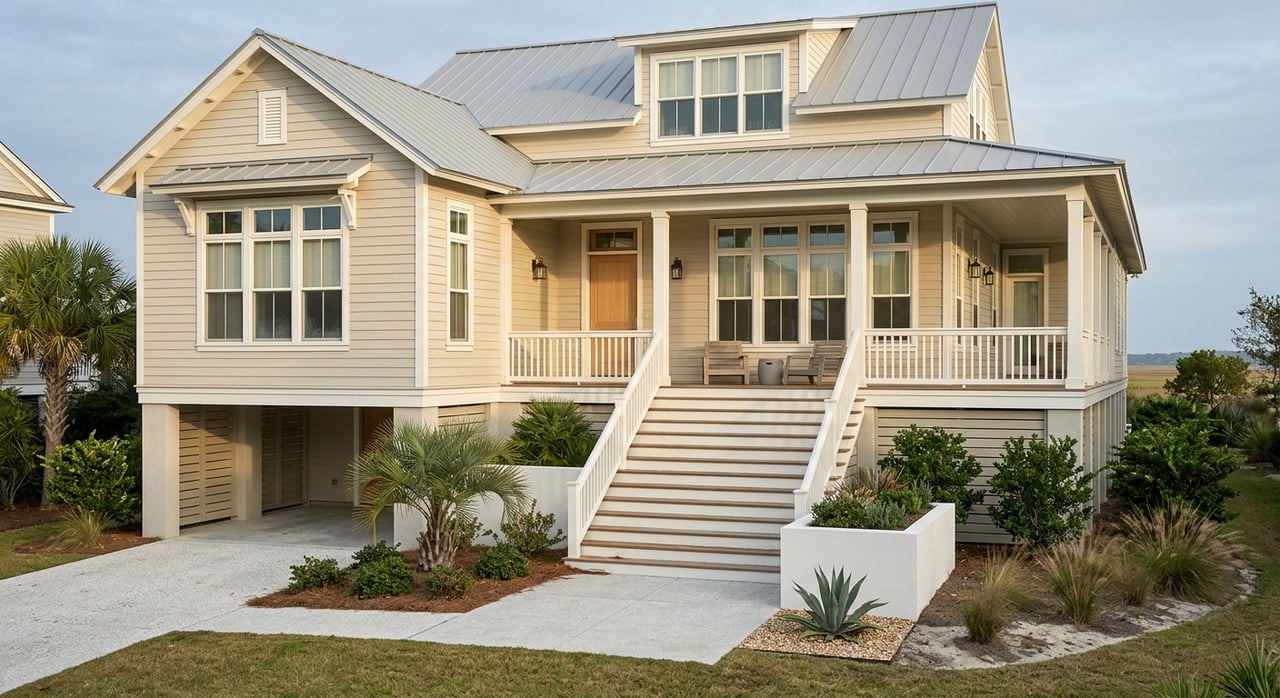
Dreaming about a place where beach mornings, water views, and weekend escapes become part of your normal routine? Buying a second home or vacation retreat in Surf City can absolutely deliver that lifestyle, but it also comes with coastal details that matter more than many buyers expect. If you want to buy smart, you need to look beyond finishes and focus on how the property will actually work for you over time. Let’s dive in.
Why Surf City Feels Different
Surf City is the commercial heart of Topsail Island and a year-round community of about 1,900 people. Its setting on a barrier island means you are not just buying a home, condo, or townhome. You are buying into a coastal lifestyle shaped by beach access, water views, and the realities of storms, flooding, and erosion.
That setting is part of the appeal, but it should also shape your decision-making. Surf City has active shoreline resiliency and beach nourishment efforts, which is a good reminder that coastal ownership here involves a shoreline that is managed over time, not fixed in place.
Start With How You Plan to Use It
Before you compare listings, get clear on your end goal. Are you buying a true second home for your own use, a future rental, or a property you may use part-time while also welcoming guests occasionally?
That choice affects far more than your calendar. In Surf City, it can influence financing, occupancy rules, tax treatment, parking logistics, and how freely you can use the property yourself.
Second Home vs Rental Property
Surf City defines a short-term rental as lodging for less than 90 days. On the lending side, second-home rules are often narrower than buyers expect.
For a conventional second-home loan, Fannie Mae says the home must be a one-unit dwelling suitable for year-round occupancy, you must occupy it for some portion of the year, you must have exclusive control, and it cannot be a rental property, timeshare, or subject to a management agreement that controls occupancy. Rental income may exist in some situations, but it cannot be used to qualify for the second-home loan.
That is why the best first question is simple: How will you really use this property? If your true plan is income-focused, you may need to approach the purchase as an investment property rather than a second home.
Compare Surf City Property Types Carefully
Surf City offers a mix of single-family detached homes, attached single-family or townhouse-style homes, twins or duplexes, multi-family properties where allowed, and condominiums as a separate ownership form. For you as a buyer, that means the choice is not only about price or bedroom count.
It is also about ownership structure, maintenance, flexibility, and how the property fits your long-term goals. A fee-simple house may offer a different level of control than a condo, while a condo may come with a very different ownership experience than a detached beach house.
Oceanfront vs Sound-Side
In Surf City, one of the biggest tradeoffs is location. Many second-home buyers weigh oceanfront or inlet-adjacent property against sound-side or other non-oceanfront options closer to the commercial core.
Oceanfront property can offer the beach experience many buyers want most. It also usually requires more due diligence because North Carolina sets oceanfront setbacks based on long-term shoreline change rates, and the state notes that erosion can change quickly after storms.
Sound-side and other non-oceanfront locations may offer a different mix of access, views, and day-to-day convenience. The right fit depends on whether you value direct beach positioning above all else or want a more balanced ownership profile.
Flood Risk Should Be a Top Filter
In Surf City, flood risk is not a small detail you review at the end. It should be one of your first filters when comparing homes.
Surf City guidance notes coastal hazard areas include X, AE, and VE zones. It also states that structures in Special Flood Hazard Areas have a 26% chance of flooding during a standard 30-year mortgage, and that new construction in regulated flood zones needs elevation certificates and a 2-foot freeboard above base flood elevation.
If a property will secure federal financing or assistance and is located in a Special Flood Hazard Area, FEMA says the mandatory flood-insurance purchase requirement applies. That can directly affect your monthly ownership costs, so it is important to review flood maps and ask questions early.
Waterfront Improvements Matter Too
When you look at waterfront property, remember that the parcel may include more than the home itself. Pender County treats permanent improvements such as decks, piers, docks, and bulkheads as real property.
That matters when you compare value across listings. A property with waterfront improvements may offer added utility, but those features should also be part of your due diligence, budgeting, and future maintenance planning.
Parking and Beach Rules Affect Everyday Ownership
A vacation home should feel easy to enjoy. In Surf City, practical rules around parking and beach use can shape that experience more than buyers sometimes realize.
All Surf City beach accesses are paid parking. Current town guidance lists parking at $3 per hour, $20 per day, or $60 per week, and right-of-way parking is prohibited unless a yellow Surf City bumper is installed.
If you expect to host friends or family often, that is not just a visitor detail. It is part of the ownership equation and worth thinking through before you buy.
Occupancy Type Can Change Parking Options
Surf City also has specific long-term tenant parking-pass rules for some leases. That is another example of how your intended use of the property can affect daily convenience.
A home that looks perfect on paper may function differently depending on whether you plan to use it mostly yourself, lease it long-term, or host frequent guests. These details are easy to overlook until they start affecting your routine.
Beach Rules Matter for Guests Too
Surf City’s beach regulations are straightforward, but they still matter. Dogs must remain leashed, gas grills are allowed, charcoal and open-flame grilling are not, beach equipment must be removed daily, and dunes should be left undisturbed.
If you want a low-hassle personal retreat, those rules may be easy to work with. If you expect frequent guests, understanding those expectations ahead of time can help you choose a property and ownership style that fits how you want to use it.
Financing a Surf City Second Home
Financing a second home is often different from financing a primary residence. That is especially true when the property is in a coastal market where insurance, flood exposure, and other ownership costs can push the real monthly number higher than the listing price suggests.
For conventional financing, the CFPB says closing costs typically run about 2% to 5% of the purchase price. It also notes that mortgage insurance is typically required if the down payment is under 20%, and that your loan type, credit, home price, and down payment all affect your rate.
Not Every Loan Type Fits a Vacation Retreat
Government-backed loan programs are generally not the right fit for a true vacation property. HUD states FHA financing is for a principal residence, USDA Section 502 Guaranteed Loans are for primary residences in eligible rural areas and cannot be used for income-producing property, and VA home loans require the home to be for the borrower’s own personal occupancy.
That makes early financing clarity important. If you are shopping for a Surf City retreat, confirm upfront whether you are pursuing a conventional second-home loan or another owner-occupancy product that actually matches your plans.
Taxes, Insurance, and Permits Deserve Early Review
Second-home buyers often focus on the purchase price first and ownership details later. In Surf City, that order can create surprises.
North Carolina’s homestead exclusion applies to a permanent residence owned and occupied by a qualifying owner, so a second home generally does not qualify. Pender County also notes that fully furnished vacation rentals may need to be listed as taxable personal property.
If you plan future improvements, remember that Pender County says additions such as new decks, porches, piers, docks, and bulkheads must be reported. Those are not minor details when you are budgeting long-term ownership.
Think Beyond the Closing Table
Surf City requires permits for construction, renovations, signs, change of use, and development. The town also directs buyers to review CAMA requirements for coastal properties near the water.
So if you are already imagining an outdoor shower, expanded deck, or other upgrade, do not assume it will be simple. One of the smartest moves you can make is to check permitting feasibility while you are still evaluating the property.
What Smart Surf City Buyers Prioritize
The most successful second-home buyers in Surf City usually do one thing well: they match the property to the real plan. They do not just chase the prettiest kitchen, the widest deck, or the best photos.
Instead, they verify whether the home’s location, flood profile, use rules, parking realities, and financing path actually support the lifestyle they want. In this market, usability often matters more than cosmetics.
A strategic buyer’s agent can help you compare those details across listings, especially when you are weighing waterfront homes, condos, townhomes, or properties with future improvement potential. That kind of preparation can protect both your experience and your investment.
If you are considering a second home or vacation retreat in Surf City, the best next step is to work with someone who understands coastal property decisions from every angle. Ronel Austin brings local market knowledge, strong advocacy, and practical guidance to help you buy with confidence.
FAQs
What should you check first when buying a second home in Surf City?
- Start with your intended use, then review flood zone, financing fit, parking realities, and any rental or occupancy constraints.
What property types can you buy in Surf City?
- Surf City zoning supports single-family homes, attached homes or townhome-style properties, twins or duplexes, multi-family uses where allowed, and condominiums as a separate ownership form.
What is the difference between a second home and a short-term rental in Surf City?
- Surf City defines a short-term rental as lodging for less than 90 days, while second-home financing rules focus on your personal occupancy, control of the property, and whether the home is truly a rental property.
What flood issues matter for Surf City second-home buyers?
- Buyers should review flood maps, understand whether the property is in a Special Flood Hazard Area, and account for possible flood-insurance requirements and elevation standards.
What should you know about Surf City beach parking before buying?
- All beach accesses are paid parking, with current town guidance listing hourly, daily, and weekly rates, and right-of-way parking is not allowed unless a yellow Surf City bumper is installed.
What permits might matter after buying a Surf City vacation home?
- Surf City requires permits for items like construction, renovations, change of use, and development, so future plans for additions or exterior improvements should be reviewed early.