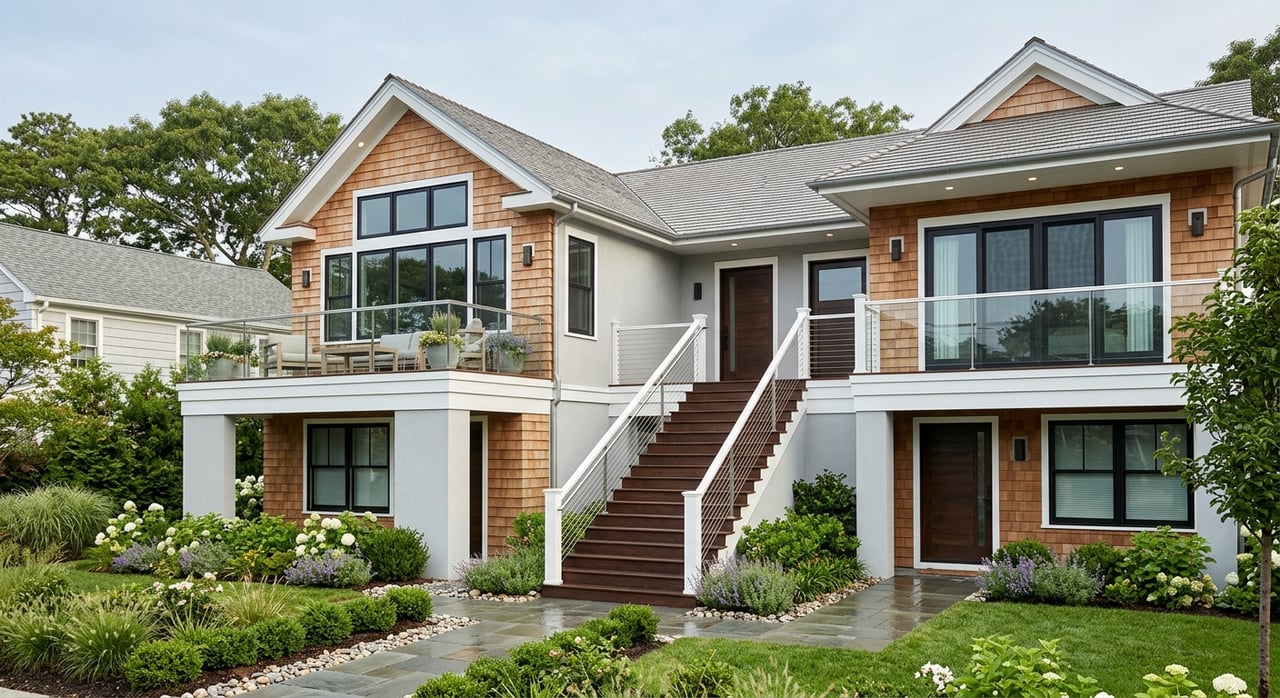
If you want a place near the water without taking on every exterior repair yourself, condo and townhome living in North Topsail Beach can look very appealing. It also comes with coastal details that matter more here than they might in an inland market, from flood zones and insurance to parking, beach access, and HOA responsibilities. When you understand those moving parts early, you can make a smarter and more confident decision. Let’s dive in.
Why attached living stands out here
North Topsail Beach covers the northern 11 miles of Topsail Island and is known for a relaxed coastal setting with beach access, parks, piers, kayak launches, and a bike and pedestrian path. That makes attached housing a practical option for buyers who want to spend more time enjoying the area and less time managing a larger standalone property.
For many buyers, the appeal comes down to lifestyle and upkeep. A condo or townhome may reduce some exterior maintenance responsibility, but it can also mean less control over repairs, replacements, and exterior changes. In North Topsail Beach, that tradeoff deserves a close look before you buy.
Condos and townhomes are not the same
One of the most important things to know is that a condo and a townhome-style property may follow different legal structures in North Carolina. A condominium gives each unit its own parcel of real estate together with an interest in the common elements, while a planned community relies on its declaration, bylaws, and articles of incorporation to define HOA authority.
That difference affects everyday ownership more than many buyers expect. Maintenance duties, insurance responsibilities, and owner control over exterior items can vary based on the governing documents, not just the way the property looks from the street.
What the HOA may handle
In a condominium, the association generally maintains common elements, while the owner is responsible for the unit. In a planned community, the association maintains common elements and the lot owner maintains the lot and improvements unless the declaration says otherwise.
That means features like roofs, siding, windows, balconies, decks, porches, parking areas, and drainage may not be assigned the same way from one community to the next. You should never assume the maintenance split based on building style alone.
Why the documents matter so much
In North Carolina, the declaration and bylaws help determine what is common, limited common, or owner responsibility. If there is a conflict between the declaration and the bylaws, the declaration generally prevails.
For you as a buyer, this makes document review a major part of due diligence. Before you get attached to the idea of low-maintenance beach living, confirm exactly what the HOA covers and what stays on your list.
Flood risk is a key part of the decision
North Topsail Beach is a barrier island system, and the town’s 2021 CAMA Land Use Plan update says more than 97% of the corporate limits are in a Special Flood Hazard Area. Most of the town is in VE zones, with a smaller portion in AE zones.
That does not mean you should avoid the market. It does mean you should treat flood zone, elevation, and insurance as core buying questions from day one.
Local flood rules are stricter here
The town says its flood regulations exceed minimum National Flood Insurance Program standards. North Topsail Beach also participates in FEMA’s Community Rating System with an ISO rating of 5, which the town says provides a 25% NFIP discount.
That discount can be helpful, but it is still important to verify whether flood insurance is required by your lender and what your total insurance picture may look like. Attached housing can simplify some ownership tasks, but it does not remove flood-related due diligence.
CBRS status can change the insurance picture
Some areas in North Topsail Beach are within CBRA or CBRS units. According to the town, homes in CBRA areas are ineligible for the National Flood Insurance Program.
This is one of the biggest reasons to confirm the exact property location before you move forward. Two attached properties that seem similar on the surface can have very different insurance options depending on flood zone and CBRS status.
Parking and access shape daily life
In North Topsail Beach, beach living is not only about how close you are to the shoreline. It is also about how easy it is to park, unload, walk over, and use nearby public amenities.
Town materials highlight beach access areas, parks, sound-side access, piers, kayak launches, and recreation spaces. For condo and townhome buyers, those details often matter just as much as square footage.
Ask specific access questions
When you compare communities, ask about:
- Beach walkovers or nearby public access
- Reserved parking spaces
- Guest parking rules
- Storage for beach gear
- Sound-side piers or kayak launch access
- How convenient daily beach use really feels
A property can be near the beach but still have less convenient beach logistics than you expect. For example, the town says Onslow County Beach Access #3 requires 4WD capability, parking must stay within the access area, and vehicles are not allowed onto the beach strand there.
Park registration is worth knowing
The town’s parks page says residents and property owners can register two vehicles free of charge with residency verification. For condo and townhome owners, that may involve a unique owner code obtained from the HOA or management company.
If you expect to use town parks regularly or host guests, ask about this early. In North Topsail Beach, parking rules are a practical part of ownership.
Coastal maintenance still matters
Some buyers choose attached housing because they want less exterior work. That can help, but coastal conditions still affect the building and the budget.
North Topsail Beach says shoreline protection and beach nourishment are ongoing town efforts, and the town has also posted about recent storm-related dune erosion. In simple terms, shoreline conditions, views, and access points can change over time.
Salt exposure can speed up wear
Coastal air is tough on exposed materials. Salt spray and onshore winds can accelerate corrosion, which makes items like railings, fasteners, stair systems, balconies, HVAC platforms, and other exterior components especially important during inspections and HOA review.
This is another reason to look beyond surface-level appearance. A well-run community should be thinking about long-term maintenance, repair timing, and reserve planning in a coastal environment.
What to review before you buy
A strong condo or townhome purchase in North Topsail Beach usually comes down to careful questions and solid document review. This is where clear guidance and strong advocacy can help you avoid expensive surprises.
Use this checklist as a starting point.
Buyer checklist for North Topsail Beach
- Confirm whether the property is legally a condominium or a planned community
- Read the declaration and bylaws to see who handles roofs, siding, windows, balconies, decks, porches, parking areas, drainage, and shared structures
- Request the current HOA budget and most recent annual financial statements
- Review meeting minutes for maintenance issues, project planning, or concerns raised by owners
- Ask for any reserve or capital plan
- Review the master insurance summary to understand what the association insures and what you may need to insure separately
- Ask about unpaid assessments, delinquency history, pending litigation, and any recent or expected special assessments
- Confirm the flood zone, base flood elevation, elevation certificate, and whether the property is in a CBRS unit
- Verify parking allocation, guest parking rules, and any owner code needed for town park registration
- If you plan to rent the property, confirm association rules and any applicable town rules before making assumptions
Why HOA records deserve close attention
North Carolina law requires associations to keep financial records and make annual income and expense statements and balance sheets available to owners within 75 days after the fiscal year ends. Written requests for a statement of unpaid assessments must be answered within 10 business days.
That makes the disclosure packet more than a formality. If the records are incomplete or hard to obtain, that is something to take seriously during your review period.
Insurance should be clear, not assumed
Condo and planned-community associations are required to maintain common-element insurance. The condominium statute specifies property insurance on common elements at not less than 80% of replacement cost, plus liability coverage.
Your next step is to confirm what the master policy covers and what you need to insure on your own. That is especially important in a coastal market where flood exposure, wind exposure, and exterior maintenance can all affect ownership costs.
The best fit depends on your goals
If you want a simpler coastal lifestyle with shared amenities and potentially less hands-on exterior work, a condo or townhome in North Topsail Beach may be a strong fit. If you prefer more control over repairs, replacements, and exterior decisions, you may want to compare attached options carefully against detached homes.
The right choice is rarely about property type alone. It is about how the documents, insurance, location, parking, access, and maintenance realities line up with the way you want to live.
Buying at the beach is easier when you know what questions to ask before you write an offer. If you want practical guidance and strong local representation while you compare North Topsail Beach condos and townhomes, connect with Ronel Austin.
FAQs
What should you ask about HOA maintenance in a North Topsail Beach condo or townhome?
- Ask who is responsible for roofs, siding, windows, balconies, decks, porches, parking areas, drainage, and shared structures, then confirm the answer in the declaration and bylaws.
How important are flood zones for North Topsail Beach attached homes?
- Very important. The town says more than 97% of its corporate limits are in a Special Flood Hazard Area, so flood zone, elevation, and insurance should be part of your early due diligence.
What does CBRS status mean for a North Topsail Beach property?
- The town says some properties are in CBRA or CBRS units, and homes in those areas are ineligible for the National Flood Insurance Program.
What parking details matter for North Topsail Beach condos and townhomes?
- Ask about reserved spaces, guest parking, beach access logistics, and whether you need an owner code from the HOA or management company to register vehicles for town park use.
Why should you review HOA financial records before buying in North Topsail Beach?
- HOA records can help you spot budget strength, maintenance planning, unpaid assessments, and the risk of special assessments before you commit to the purchase.
Is condo or townhome living in North Topsail Beach lower maintenance?
- It can be, but not always in the same way. The real answer depends on whether the property is a condominium or planned community and on how the governing documents assign maintenance responsibilities.