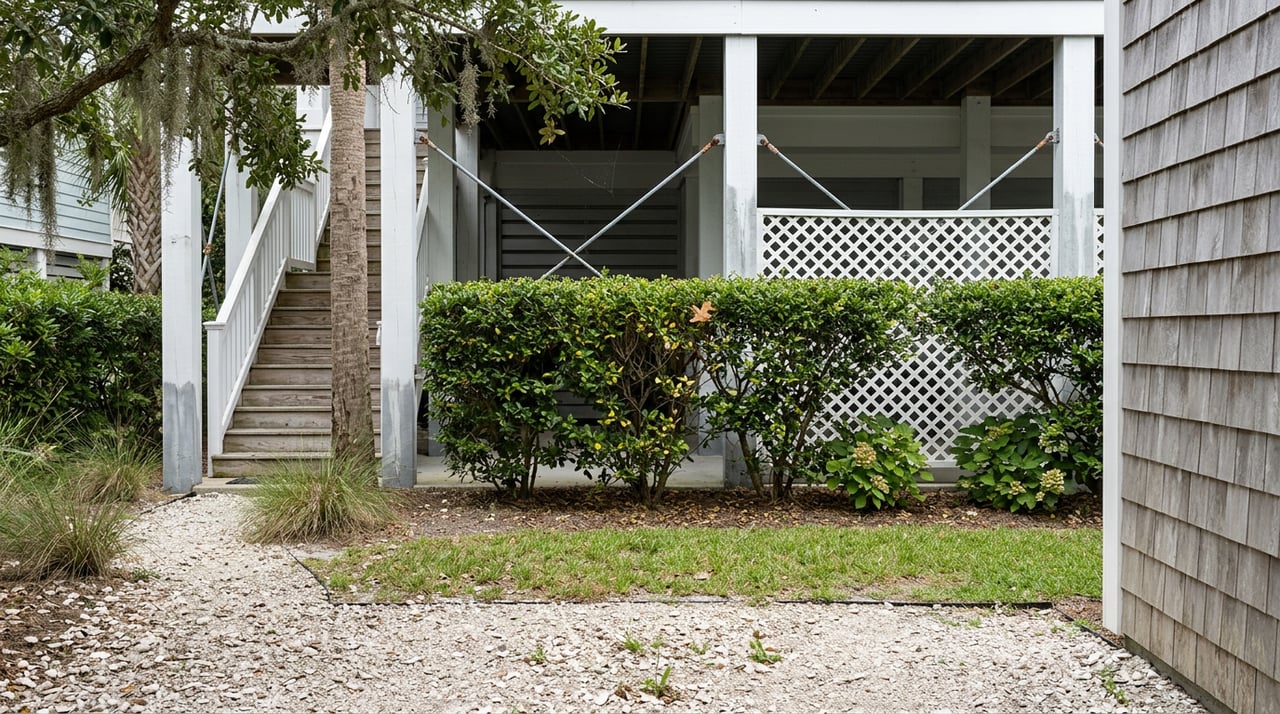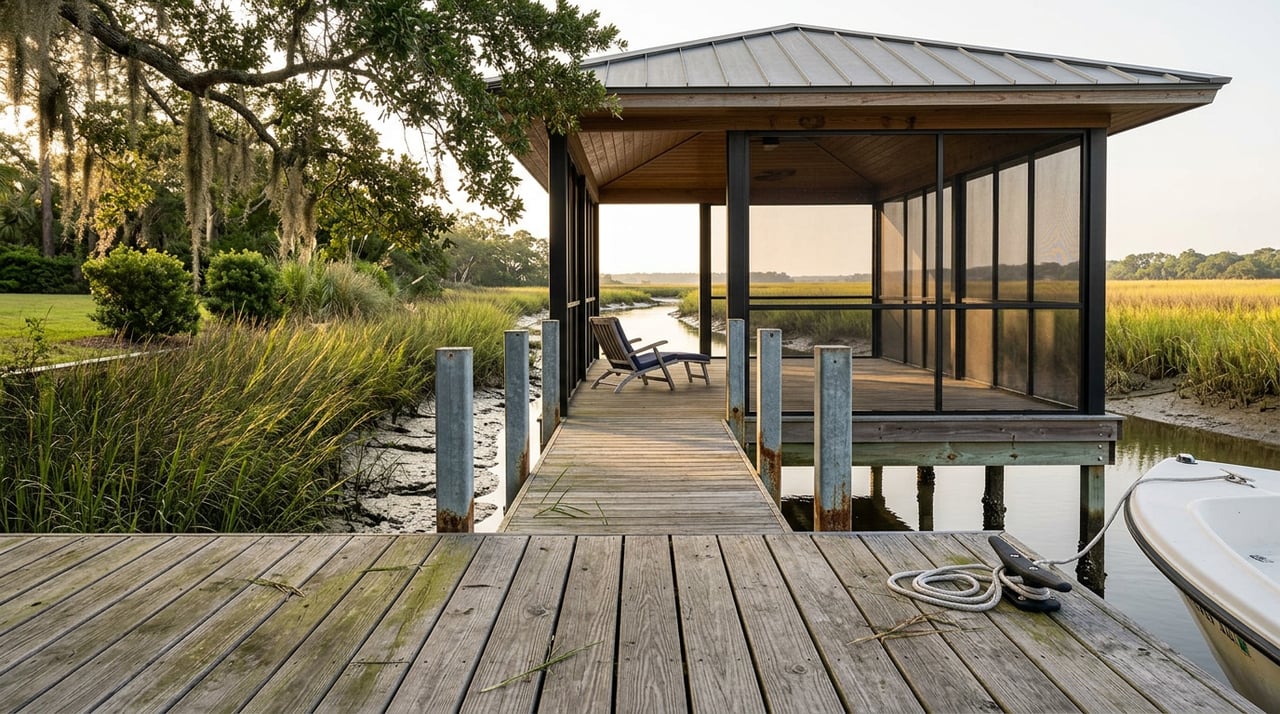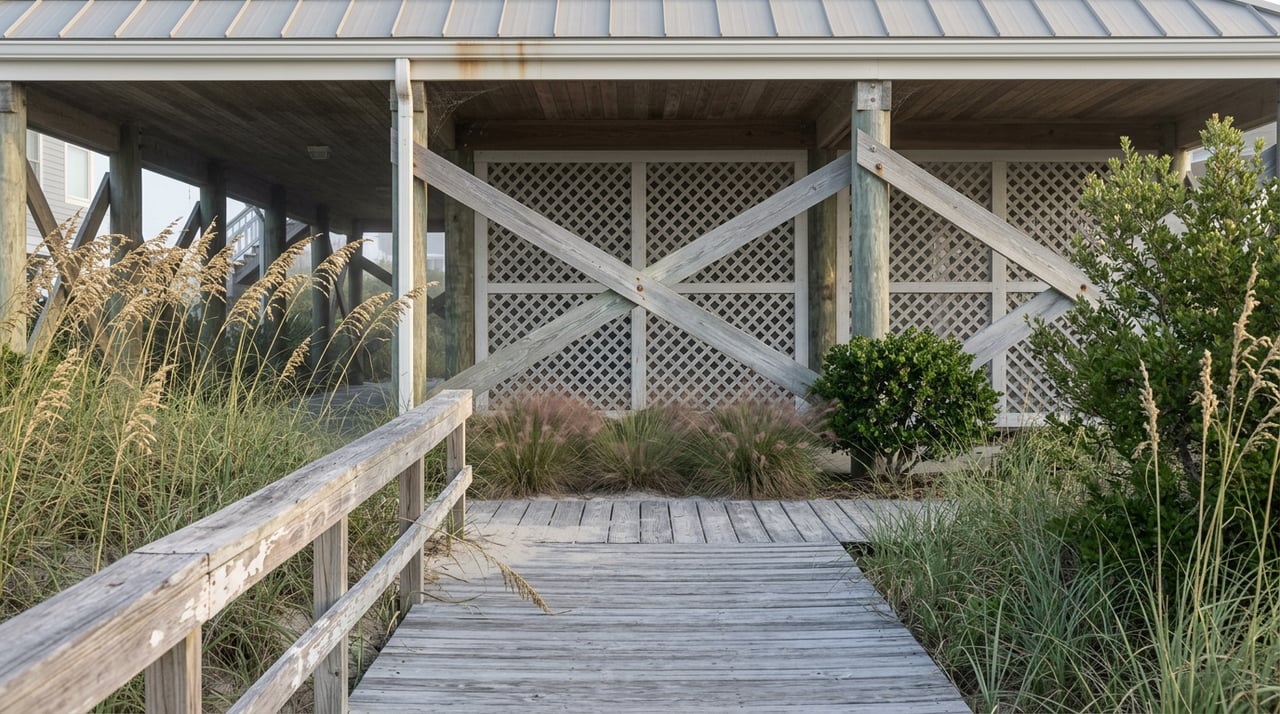
Walk to the south end of the island most mornings this month and you will still find the same hard-packed sand, the same low dune line, the same stretch of nothing that has made this the place people go when they want the island to feel like it did before anyone built on it. What changed happened on paper, on May 19, 2026, and it is easy to misread if you only caught the headline.
The state now manages the land. That is true. It is also the part of the story that leads people toward the wrong conclusion.
What actually happened at the ribbon-cutting
On a Tuesday afternoon in May, officials walked out to the oceanside beach at the south end of Topsail Beach for a ribbon-cutting most residents heard about secondhand. NC Department of Environmental Quality Secretary Reid Wilson attended, along with Topsail Beach Mayor Frank Braxton, Surf City Mayor Teresa Batts, Division of Coastal Management Director Tancred Miller, and Harrison Marks, executive director of the North Carolina Coastal Land Trust, the nonprofit that had owned the property since closing on the purchase in April 2025. Topsail Beach resident William Snyder was there too, standing in for the neighbors who had spent years pushing for this outcome.
The tract known locally as The Point had been one of the last privately owned, undeveloped stretches of barrier island in the state. The Land Trust bought roughly 150 acres of it for $7.5 million, a purchase backed by more than 800 individual donors who contributed a combined $1.6 million, plus grant support from the National Fish and Wildlife Foundation, the NC Land and Water Fund, and the U.S. Fish and Wildlife Service. What transferred to the state in May was nearly 100 of those 150 acres, now renamed the Topsail Nature Preserve.
Why "state managed" is not the same as "becoming a park"
Here is where the assumption breaks down. A lot of residents hear that a piece of land moved from a nonprofit trust to a state agency and picture what usually follows: graded parking, a bathhouse, maybe a visitor center. That is not what this designation is built to do.
Wilson said as much at the ceremony, framing the property's future around wind and waves rather than construction. Marks, who has worked on Land Trust projects across the coast, called the outcome one of the most gratifying of his career, noting how rare it is to find a hundred acres on a developed island that still looks the way it always has.
The long-term plan makes the intent explicit. Once the transfer paperwork clears, the Division of Coastal Management intends to dedicate the property under the State Nature Preserves Act, the same legal framework that governs Hammocks Beach State Park and Boiling Spring Lakes Preserve. That designation functions like a permanent conservation easement. It locks in public access for traditional uses, beachcombing, walking, swimming, fishing, while explicitly restricting the kind of development a state park visitor center would require. The Land Trust's own FAQ on the deal is direct about it: the goal was never to add amenities. It was to guarantee none get built.
The rule that already applied, and still will
The part residents are most likely to run into personally has nothing to do with the transfer itself. It is the leash law, and it has applied to Topsail Beach differently than the rest of the island for years, a distinction easy to forget once you are used to the town.
| Leash required | Reason | |
|---|---|---|
| Topsail Beach | April 1 – September 30 | Falls within Coastal Barrier Resources System Unit L07 |
| Surf City / North Topsail Beach | May 15 – September 30 | Standard island-wide seasonal window |
That six-week gap on the front end is not new because of The Point. It predates the transfer and will keep applying to the preserve going forward, since existing town ordinances carry over regardless of who manages the land underneath them. If you walk dogs on the south end and have gotten comfortable with the looser rules a mile north in Surf City, this is the reminder that Topsail Beach was never on that same calendar.
Shorebird nesting protections are the one genuinely new layer. Starting this year, expect roping and signage around nesting areas as Audubon North Carolina and volunteers with a group called Conserve the Point work alongside the Land Trust to mark sensitive stretches. The Town-owned parking area at the south end is not changing hands and remains open exactly as it has been.
What else is already happening on the south end this month
The Point transfer landed in the middle of a season that already has its own rhythm, and most of it is still running.
The Karen Beasley Sea Turtle Rescue and Rehabilitation Center's Topsail Turtle Project holds free Turtle Talks behind the Historic Assembly Building in Topsail Beach every Monday at 9 a.m. through August 31, with volunteers walking through nest monitoring and what a season on this stretch of coastline actually looks like. Four Mondays remain this year: August 10, 17, 24, and 31. Sea turtle nesting itself runs through October 31, so the monitoring work continues well past the last scheduled talk.
A few blocks over, the Thursday Craft Market keeps running through Labor Day, which lands on September 7 this year. That leaves four more Thursdays for the vendors and artisans who set up shop each week between Memorial Day and the end of summer.
Both of those overlap with the building that anchors most of the town's community calendar. The Historic Assembly Building at 720 Channel Boulevard sits on the National Register of Historic Places, seats up to 250 people, and has been run by the Historical Society of Topsail Island since the organization's founding in 1984. It is where the Turtle Talks happen, where Bingo nights raise money for the Society, and where the Autumn With Topsail Festival returns October 16 through 18 with fine arts, handcrafted goods, food trucks, and live music, the same three-day format that has made it the town's signature event.
The version of this story worth remembering
None of this changes what The Point looks like on a Tuesday morning walk. That was the point of the whole effort, and the reason 800 people put money toward buying land they will never own. What changed is that the ambiguity is gone. The south end was privately held and could, in theory, have been developed by a future owner with different intentions. Now it can't. The leash law you already know still applies on the same schedule it always has. The parking lot you already use still belongs to the town. The turtles, the shorebirds, and the sand get a legal guarantee instead of a good-faith understanding, and that guarantee is the entire news story, not a preview of construction to come.
If you have lived here long enough to remember when this deal was still uncertain, this is the season where uncertainty ended. Worth a walk out there while the turtle talks are still running.
If you are weighing a move to this stretch of coastline yourself and want a read on what a protected south end means for property values, access, and long-term livability here, Ronel Austin knows this island block by block. Let's Connect.